
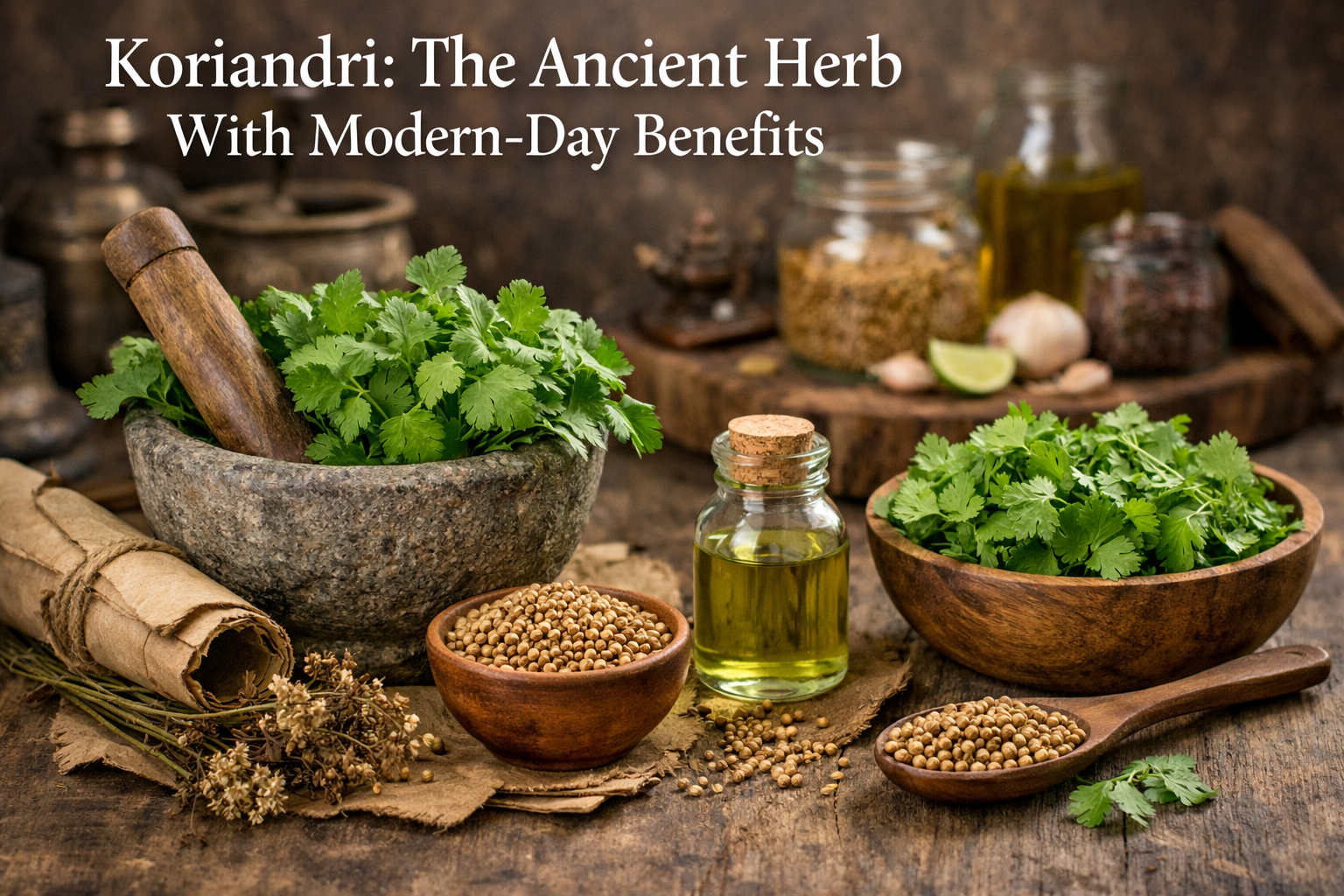
Koriandri, commonly known as coriander or cilantro, is much more than just a garnish on your favorite dishes. This ancient herb has been cherished for centuries across various cultures for its unique flavor and remarkable health benefits. As we dive deeper into the world of koriandri, you’ll discover why this versatile herb deserves a place in your kitchen and wellness routine. Whether you’re an adventurous cook or simply curious about natural remedies, koriandri holds secrets that can enhance both your meals and well-being. Let’s explore the rich history, diverse uses, and impressive advantages of this timeless herb together!
What Exactly Is Koriandri?
Koriandri, known scientifically as Coriandrum sativum, is a fragrant herb belonging to the parsley family. Its leaves are often referred to as cilantro, while its seeds are called coriander. This dual identity makes koriandri a unique addition to kitchens around the world.
The plant flourishes in warm climates and has been cultivated for thousands of years. Ancient Egyptians even used it in their embalming rituals! Today, it remains popular in various cuisines due to its fresh taste and aroma.
Beyond culinary uses, koriandri is packed with nutrients. It contains vitamins A, C, and K along with antioxidants that contribute to overall health benefits.
The Global Love for Koriandri
Koriandri, also known as cilantro or coriander, has captured the hearts and taste buds of cultures worldwide. Its bright, aromatic leaves add a fresh burst of flavor to countless dishes. From Mexican salsas to Indian curries, this herb transcends borders.
In many cuisines, koriandri is more than just a garnish; it’s an integral ingredient that elevates meals. In Middle Eastern tabbouleh or Thai salads, its unique taste brings harmony to flavors.
People around the globe celebrate Koriandri not only for its culinary perks but also for its versatility. Whether enjoyed in pesto or infused into beverages like cocktails and teas, it’s clear why koriandri holds such universal appeal.
Health Benefits of Koriandri
Koriandri, often known as coriander, offers a treasure trove of health benefits. Rich in antioxidants, it helps combat oxidative stress and may reduce the risk of chronic diseases. The herb also boasts anti-inflammatory properties that can soothe various ailments.
Additionally, koriandri is recognized for its digestive advantages. It aids in alleviating bloating and gas while promoting overall gut health. Its essential oils can stimulate appetite too.
Moreover, this ancient herb has been linked to improved heart health. By lowering cholesterol levels and regulating blood pressure, koriandri supports cardiovascular wellness effectively. Incorporating it into your diet can yield remarkable results for both body and mind.
Everyday Uses of Koriandri
Koriandri is more than just a culinary herb; it’s a versatile kitchen staple. You can sprinkle fresh koriandri leaves on salads, soups, and tacos to add a burst of flavor. It works beautifully in both cold and hot dishes.
Beyond the kitchen, koriandri essential oil is gaining popularity for its aromatic properties. A few drops can elevate your home fragrance or even serve as an insect repellent. Its soothing scent also makes it a favorite in aromatherapy sessions.
For those who enjoy herbal teas, dried koriandri seeds are delightful when steeped in hot water. The resulting tea offers not only taste but potential health benefits too!
Koriandri and Cultural Connections
Koriandri, also known as coriander or cilantro, has deep cultural roots in various cuisines around the world. From Indian curries to Middle Eastern tabbouleh, this herb is cherished for its unique flavor and aroma. Each culture weaves Koriandri into traditional dishes, celebrating its versatility.
In many regions, Koriandri symbolizes freshness and vitality. It’s often featured in festivals and gatherings, enhancing both food and social connections. The herb even finds a place in folk medicine across cultures.
Beyond culinary uses, Koriandri appears in art and literature too. Its distinct character inspires creativity while bridging generations through shared recipes and stories about its importance in daily life.
Growing Koriandri at Home
Growing koriandri at home is a rewarding experience. This herb thrives in well-drained soil and requires plenty of sunlight. If you have a sunny windowsill or outdoor garden space, it’s perfect for nurturing this fragrant plant.
Start with seeds or young plants from your local nursery. Plant them about 1 inch deep and spaced adequately to allow for growth. Water regularly but avoid soggy soil, as koriandri prefers slightly dry conditions between waterings.
Harvesting is simple; snip off the leaves when they’re vibrant green and healthy. The more you harvest, the more it grows back. With minimal effort, you’ll enjoy fresh koriandri right from your own kitchen!
Koriandri in Modern Wellness Trends
Koriandri is gaining traction in modern wellness trends, embraced by those seeking natural remedies. This herb’s ancient roots are being rediscovered as people prioritize holistic health practices.
In the realm of herbal supplements, koriandri extracts are often highlighted for their potential benefits, from aiding digestion to enhancing mood. Many wellness enthusiasts incorporate it into detox regimens and cleanse protocols.
Moreover, its unique flavor profile makes it a favorite among chefs advocating for nutritious cooking. Whether added to smoothies or salads, koriandri not only elevates taste but also contributes to a healthier lifestyle choice that resonates with today’s conscious consumers.
Fun Facts About Koriandri
Koriandri, also known as coriander or cilantro, has a rich history that dates back over 3,000 years. Ancient Egyptians used it for culinary and medicinal purposes, even placing it in tombs to accompany the dead into the afterlife.
Interestingly, koriandri is loved by some and loathed by others. Many people experience a soapy taste when they eat fresh leaves due to genetic differences. This unique trait adds an intriguing layer to its appreciation worldwide.
In addition to its culinary uses, koriandri seeds can be ground into a fragrant spice. It’s versatile enough to enhance dishes from various cuisines while offering numerous health benefits along the way.
Why Koriandri Will Remain Timeless
Koriandri has an enduring quality that transcends time and trends. This ancient herb, celebrated for its unique flavor and aroma, continues to captivate culinary enthusiasts worldwide. Its versatility ensures it finds a place in various cuisines, from spicy dishes to refreshing salads.
Beyond the kitchen, Koriandri’s medicinal properties have been cherished for centuries. As more people turn towards natural remedies, this herb is becoming increasingly relevant in the wellness community. It’s not just about taste; it’s about holistic health.
Cultural significance also plays a vital role in Koriandri’s timelessness. Across different societies, it carries stories and traditions that enrich its identity. Such connections keep interest alive across generations.
Final Thoughts on Koriandri
Koriandri, with its rich history and diverse applications, stands as a testament to the power of nature. This ancient herb has proven time and again that it can adapt and thrive in modern society. From culinary delights to health benefits, Koriandri connects cultures and traditions while offering contemporary wellness solutions.
As we continue to explore holistic lifestyles, Koriandri will undoubtedly maintain its place on our plates and in our medicine cabinets. Its unique flavor profile makes it a favorite among chefs globally, while its medicinal properties keep herbalists intrigued.
Embracing Koriandri could be more than just a trend; it’s an invitation to incorporate centuries of knowledge into our daily lives. Whether you grow it at home or sprinkle it onto your meals, this timeless herb is set to remain relevant for generations to come.